The Bojin Journal · Myths & real talk
What Bojin Can and Cannot Do for Your Face (An Honest List)
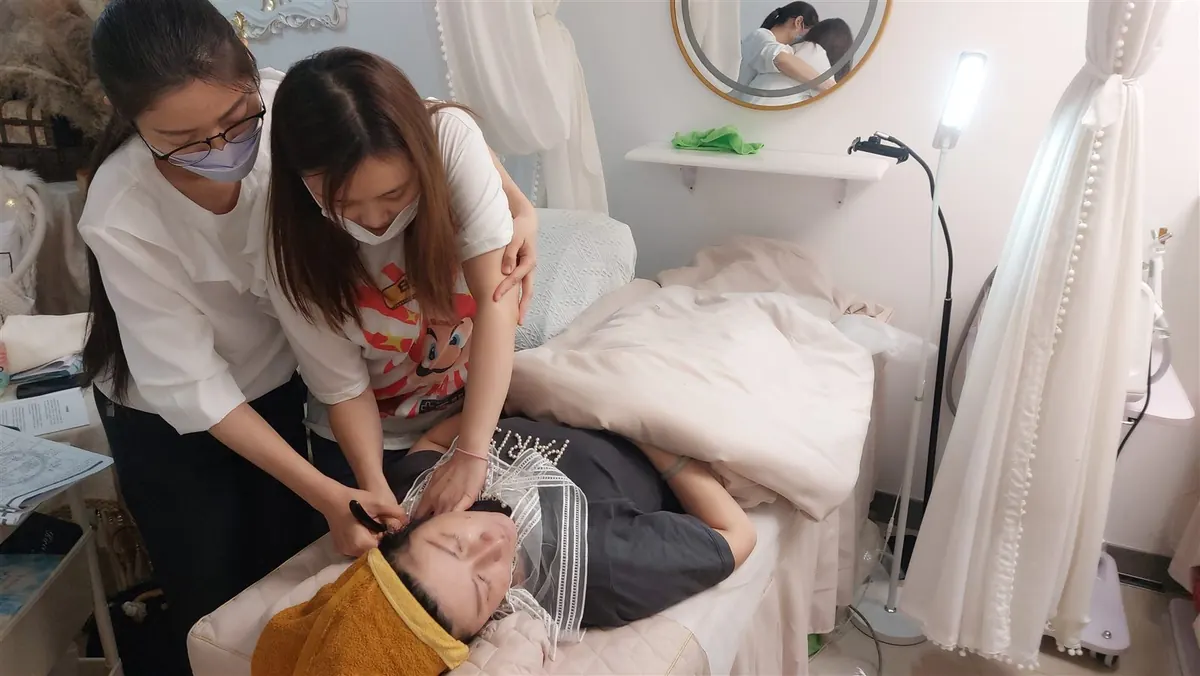
Let me start with the part most beauty pages leave out. Bojin will not erase a single line on your face. It will not move bone. It will not lift skin that has already settled, and it will not do the job your dermatologist does. If a page promises you any of that from a stick and ten minutes a day, close the tab.
So why do I keep reaching for mine?
Because once you take the impossible promises off the table, what is left is honest, useful, and worth your ten minutes. I have taught this method to women in their fifties, sixties, and seventies, and the ones who stay with it are the ones who knew the ceiling before they started. This is the honest list I give them. What bojin can do for your face, and what it cannot. If you have wondered what does bojin do for your face, read the cannot side first.
The cannot list, said plainly
I lead with this on purpose. A skeptical woman trusts the person who names the limit before the benefit. If you came here still doubting the whole idea, that's the right instinct: read does facial gua sha actually work, straight talk for skeptics first.
Bojin cannot erase a line that is present when your face is fully at rest. Sit in front of the mirror, let every muscle go soft, and look. Whatever creases remain in that relaxed state are structural. No stick reaches them.
Bojin cannot change your bone or your fat. The shape of your cheekbone, the pad of fat that shifts with the decades, none of that answers to pressure from a tool. Anyone who says otherwise is selling.
Bojin cannot lift tissue that has descended. Gravity and time do real work on a face. A gentle practice does not reverse it, and I would rather you hear that from me than feel let down in three weeks.
Bojin does not replace medical or dermatological care. If you are considering a procedure, a prescription, or you have a skin condition, that is a conversation for a licensed professional. This is self-care that sits alongside that care, never in place of it.
That is the wall. Now let me show you the room inside it, because it is more useful than the honest ceiling might suggest.
The can list, and every line of it is gentle and temporary
Here is what actually happens when you use the method with some consistency.
Bojin can ease the tension you build during an ordinary day. Your face works hard. You squint at a screen, you clench through a hard phone call, you hold your brow tight while you concentrate. That holding accumulates in the soft tissue, and a calm, guided few minutes can help it settle. The effect is gentle, and it is temporary. It comes back the next day, which is why a steady rhythm through the week helps.
A face that has let go of some of that bracing tends to feel softer, and it can look more rested. Not younger by a decade. More like the version of you after a good night's sleep instead of a short one. Women tell me their face feels less "held." That is the honest size of it.
Puffiness may look a little less pronounced. Some mornings you wake up looking fuller around the eyes and jaw than you feel. A short session can make that appear a touch less noticeable for a while. Gently, and for a while. I choose those words with care, because the effect is real and it is small, and both of those things are true at once.
And my favorite one: you start catching your own habits earlier. After a few weeks with the method, you notice the clench in your jaw at 3pm before it becomes a tight evening. You feel your shoulders creep up toward your ears and you drop them. That awareness follows you off the mat and into the rest of your day, and honestly, it may matter more than the ten minutes themselves.
If you are asking does bojin really work, that can list is the whole truthful answer. Small, gentle, temporary, and genuinely worth having.
How the method actually helps (and why the tool is secondary)
Here is the part that separates bojin from picking up any stone and rubbing.
Bojin is a method. Gua sha is a tool. Those are different jobs, not a contest between rivals. The method is built from three decisions you make with every stroke: the order you work in, the angle you hold, and the position you land on. Add the right, comfortable pressure and you have the whole thing. The stone does not know any of that. You do.
Pressure is where most people go wrong, and both directions are wrong. Press too hard and you can bruise, which is not the method and helps nothing. Stay too light and you never reach the tension you came for, so nothing settles. The target sits between them. Not featherlight, not forceful. Enough to meet the tension, never enough to hurt. I keep a fuller walk-through of finding that in the pressure rule, because it is the single skill worth practicing.
The traditional tool is a polished stainless steel bojin stick, roughly the length of your hand, with a broad edge for planes and a rounded tip for smaller spots. Taiwanese practitioners have shaped this practice for a long time, and the steel is chosen for plain reasons: easy to clean, durable, no animal material. A dedicated stick is coming soon.
You do not need it to begin. Start with the gua sha stone you already own, the jade or rose quartz one in your drawer. The value lives in the order, the angle, the position, and the pressure, not in the object in your hand. If you have never met this method before, my what is bojin piece is the place to start.
A short, safe sequence to try tonight
Clean skin, a few drops of facial oil so the tool glides, and a mirror. Slow is the whole game.
- Warm up at the jaw Rest the broad edge along your jawline near the ear. With comfortable pressure, glide down toward the chin. Three or four passes on each side.
- Open the cheek From beside the nose, sweep out toward the ear along the cheekbone, following the bone rather than dragging the skin. Keep the angle low and steady.
- Soften the brow Use the rounded tip between the eyebrows and move upward and outward, small and slow, letting the concentration line ease.
- Ease the temple and hairline Glide from the outer brow up toward the temple, where a surprising amount of daily clenching hides.
- Finish down the neck Long, calm strokes from under the ear down toward the collarbone, closing the session and carrying that settled feeling downward.
The whole thing runs five to ten minutes. If any stroke stings or reddens, you are pressing too hard. Lighten up. Before your first full session, it is worth reading the safety guide so you know how to keep it comfortable.
Honest expectations, and one safety line
This is not an overnight fix, and I would not respect you if I pretended otherwise. What you get is gentle and temporary, and it builds with consistency the way any small regular practice does. Miss a week and the calm fades. Come back to it and it returns. That rhythm is the point, not a finish line.
Keep your expectations true to that can list and you will not be disappointed. You will get a face that feels a little less held, looks a little more rested, and a growing sense of where you carry your own tension. For ten quiet minutes, that is a fair trade.
Quick answers
Does bojin really work, or is it just relaxing?
It does real, small things. It can ease built-up tension in the facial tissue and leave your face feeling softer and looking more rested, and those effects are gentle and temporary. It will not erase lines or change your bone structure, and any honest teacher will tell you the same.
Is bojin just gua sha with a different name?
No, they are different jobs, not a contest. Gua sha is a tool you hold. Bojin is a method built on order, angle, position, and the right comfortable pressure, and you can practice that method using a gua sha stone you already own.
How hard should I press?
Somewhere between too light and too hard. Not featherlight, because that never reaches the tension, and not forceful, because that can bruise. Aim for enough pressure to meet the tension without any pain, and stop the moment a stroke stings.
How often should I do it to notice anything?
Most women who feel a difference keep a steady rhythm of two to three sessions a week rather than one long session now and then. It is a gentle, temporary effect that builds with consistency, so a few well-spaced sessions serve you far better than an occasional marathon. For the full answer on timing, see how often should you do bojin.
Find Your Tightest Link (2-Min Quiz)
If you want the honest version of this for your specific face, I made a two-minute quiz that asks where you tend to hold tension and sends back a short at-home routine matched to your answers. No hype, just the practical next step.
Take the Face Tension Quiz & Get My Custom Protocol →Free · 2 minutes · Your gentle routine, sent to your email
Yu-Ting Lan is a Taiwan-based international bojin instructor and the founder of Héhé Studio. She has taught her bojin method to more than a thousand students, from complete beginners to grandmothers, across Taiwan, Hong Kong, and Malaysia.