The Bojin Journal · Myths & real talk
Does Facial Gua Sha Actually Work? Straight Talk for Skeptics
You have seen the ads. A woman glides a stone up her cheek, the video cuts, and ten years fall off her face. You rolled your eyes, and you were right to.
I teach a Taiwanese face-care method called bojin, and I would rather lose a reader than repeat those promises. So let me answer the question you typed, does facial gua sha actually work, the way I answer it in my own classroom: limits first, benefits second, and nothing in between dressed up as a miracle.
Start with what it cannot do
No stone, no stick, and no method, mine included, will do what a needle does. An injection changes how a muscle fires. A filler adds volume where your face has lost it. A facelift repositions tissue that has slid downward over decades. A smooth tool moving over your skin does none of those things, and it never will.
So here is the list I give every new student before we begin:
- It will not erase a line that has creased into the skin.
- It will not change bone, and it will not restore lost fat.
- It will not lift tissue that has descended.
- It will not replace your dermatologist, and it should never delay a visit to one.
You may also have seen gua sha or bojin called "natural Botox" or a "natural facelift." I want to retire both phrases. They borrow the name of a medical result to sell you a stone, and that borrowing is dishonest. If a page promises you needle-level change from a handheld tool, close the tab, whatever the accent of the person promising it.
Your skepticism has protected your wallet for years. Keep it. It will serve you well through the rest of this article, because everything I claim from here on is small enough to test at home.
What a method can do, in small and honest ways
Some of what reads as "aging" in your mirror is structure: bone, fat, skin that has changed over sixty years of living. No tool touches structure, and we settled that above.
But some of what you see is held tension. A jaw that clenches through the night. A brow that knits at every screen and stays knitted. Cheeks that stiffen into one guarded expression by late afternoon. That tension lives in muscle and in the connective layer over it, called fascia, and tension responds to careful hands.
Bojin works with that second category and only that one. The word that matters is method. I learned it in Taiwan, where practitioners have passed these sequences down for generations, and it rests on three teachable things: the order you work in, the angle you hold against the bone, and the exact position of each stroke.
Then comes pressure, the question that settles most arguments in my classes. Pressing hard bruises and proves nothing. Barely touching reaches nothing. The pressure I teach is firm enough to reach the tension and never enough to hurt, not featherlight, not forceful. Precision does the work that force cannot.
You do not need to buy anything to test this. The jade or rose quartz stone already in your drawer will carry the method fine. In Taiwan the traditional tool is a bojin stick, a slim polished stainless steel piece with a broad edge and a rounded tip, easy to clean and precise along the bone. A stick makes the angles easier to hold. Start with the stone you own.
People often ask me how bojin relates to gua sha, sometimes with a raised eyebrow, expecting a sales pitch. Gua sha names a tool. Bojin names a method you can apply through almost any smooth tool. Different jobs, not a contest, and I will never tell you one beats the other. If you want the longer answer, I wrote it in What is bojin?.
What a realistic result looks like
I do not try to win you over with dramatic before and after photos, and I want to tell you why. The changes bojin offers are gentle and temporary, and a photo pair taken on two different days is built to exaggerate exactly that kind of change. Lighting shifts, expression shifts, and a softer jaw suddenly reads as a new face.
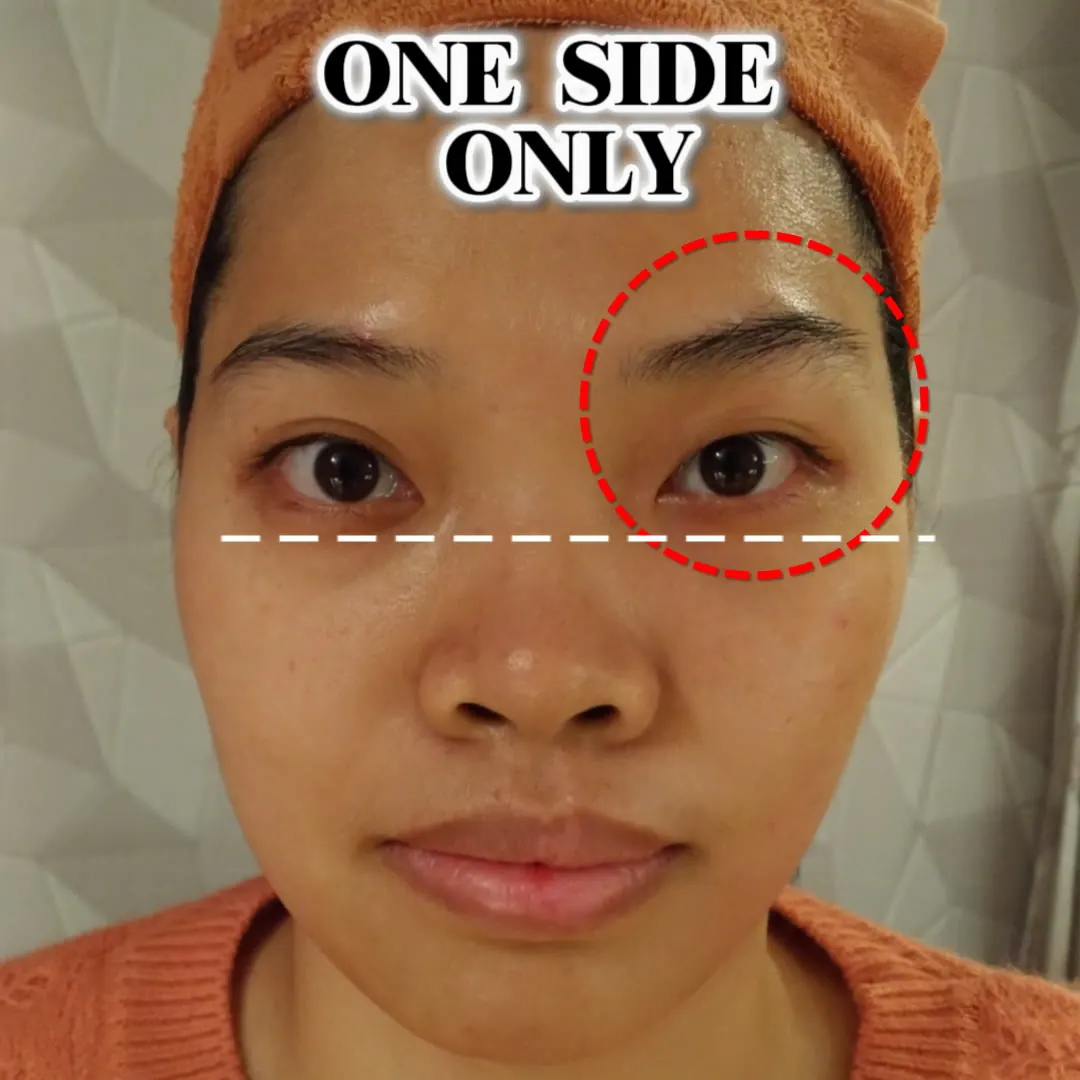
What I show instead is one side at a time. We work a single side of the face, then you look in the mirror with both sides in the same light, the same minute, the same expression. Nothing to stage and nothing to touch up. If you want to see what that looks like, I keep those side-by-sides on my results page, and you can judge them as harshly as you like.
After a first session, the most common report is feel, not appearance: a jaw that unclenches, a face that seems lighter, the way your shoulders feel when you catch them up around your ears and let them drop. Many women say the next morning their face looks less puffy and more rested for a few hours.
With steady practice over weeks, the reports get quieter, and I trust the quiet ones most. Makeup sits better. The brow rests instead of gripping. The tired look arrives later in the day than it used to.
The most common reaction after a first full sequence is a student looking in the mirror and asking me, "Is that all?" Yes. That is all, and that is the point. A jaw that is softer, a face that looks like it slept. Nothing more. The women who stay with it are the ones for whom "a face that looks like I slept" turned out to be worth ten minutes, two or three evenings a week.
Please read those claims at their true size. Nothing erased. Nothing returned to where it sat at forty. Nothing that survives a week of skipped practice. And these are observations from a classroom, not measurements and not a promise; your face may respond less, or differently, than another woman's. I would rather you know the ceiling before you spend a single evening under it.
The terms I ask every student to accept
Gentle and temporary. Those two words govern everything above. The effects fade, they return with practice, and they build somewhat with consistency, the way stretching builds ease in a stiff neck without changing your spine. If anyone offers you more than that from a stone or a steel stick, you already know what to do, because you have been doing it for years.
One more piece of candor. If you already own a gua sha stone and it has done nothing for you, the stone was probably never the problem, and neither were you. The missing piece is usually order, angle, and position, and I wrote about that separately in Gua sha not giving you results? The simple fix most people miss. I will not repeat the troubleshooting here; that article walks through it.
Decide with your own eyes
I have given you the limits first and the small case second, which is the only order I think this question deserves. The one piece of evidence that should convince a skeptic is her own mirror.
So test me on the smallest thing I have. I recorded a free three-minute video of one technique, the Inner Brow Release, the spot where most women hold the day without noticing. Leave your email and I will send it over. Try it for a week with the stone you already own, then judge me by what you see in your own mirror. If it earns its three minutes, come back for the rest. If it does not, you have lost nothing but a quiet evening or two, and your skepticism walks away intact.
Quick answers
Does facial gua sha actually work?
Define "work" first. For erasing wrinkles, lifting descended tissue, or matching an injection, no tool or method works, whatever the marketing says. For temporary changes, a looser jaw, a face that looks less puffy and more rested for a while, my students report yes, when the tool is guided by a method rather than moved at random.
Is bojin worth it for wrinkles?
If you want wrinkles removed, no, and I say that plainly: removal is clinic territory, and a good dermatologist is the right door. If you want the look of tension-related lines, a gripping brow, a clenched jaw, to soften for a while, ten unhurried minutes may earn a place in your evening. The line itself stays; the tension around it can ease.
Do I need to buy a special tool to try it?
No. Start with the jade or rose quartz gua sha stone you already own; the method matters more than the object in your hand. The traditional tool is a stainless steel bojin stick, and it makes the angles easier once you know the sequence, but it is unnecessary on day one.
How is bojin different from gua sha?
Gua sha names a tool, a smooth stone. Bojin names a method: a set order, a deliberate angle, a precise position, and the right comfortable pressure. Different jobs, not a contest. My article What is bojin? gives the full picture.
Find Your Tightest Link (2-Min Quiz)
Before you spend a single evening on this, it helps to know where your own face holds the day. The two-minute quiz asks, then sends back a short routine matched to your answers.
Take the Face Tension Quiz & Get My Custom Protocol →Free · 2 minutes · Your gentle routine, sent to your email
Yu-Ting Lan is a Taiwan-based international bojin instructor and the founder of Héhé Studio. She has taught her bojin method to more than a thousand students, from complete beginners to grandmothers, across Taiwan, Hong Kong, and Malaysia.