The Bojin Journal · The method
Is Bojin Safe? Who Should Be Careful, and When to Skip It
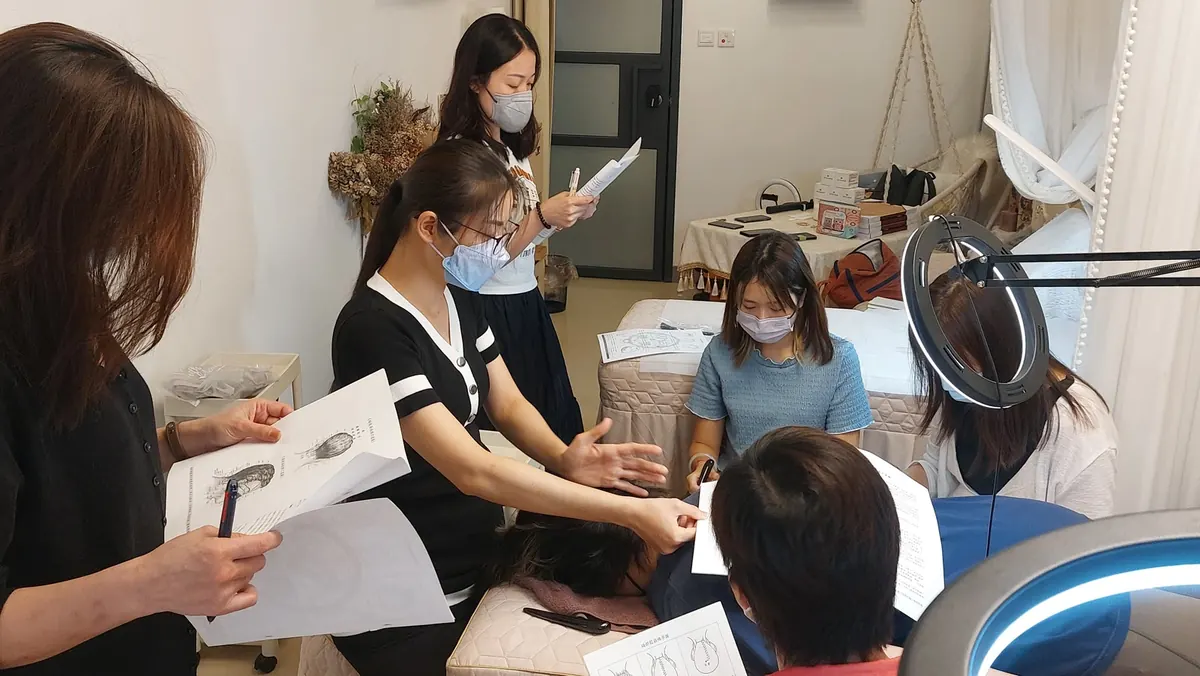
Before you try anything new on your own face, it's fair to ask a simple question: is this safe for me? I love that question, because bojin is meant to be the calmest, kindest few minutes of your day, and the honest answer is that for most healthy adults, done gently, it is. There are a handful of times to wait or to check with a professional first, and knowing them is part of doing it well. Here's the whole picture, plainly.
The short answer
Bojin is gentle self-care you do on the outside of your face with clean hands, a smooth tool, and a little oil or cream. Done at a comfortable pressure, it's a quiet, everyday habit, closer to washing your face than to anything medical. Most women can start today with nothing more than clean fingertips.
What keeps it safe is not a long list of rules. It's the same thing that makes it work in the first place: a comfortable pressure, the right angle, and a bit of attention. You're not forcing anything. You're coaxing your face to let go of tension it's been holding, and that only asks for a gentle hand.
When to wait, or check with a professional first
A few situations call for pausing, going extra gently, or asking someone who knows your health before you begin. None of them mean bojin is dangerous. They just mean the same good sense you'd use with any hands-on face care.
- Broken, irritated, or sunburned skin Work around anything that's cut, raw, sunburned, or breaking out, not over it. A cold sore, an active blemish, or a fresh scratch wants to be left alone until it has healed.
- A recent procedure, injection, or peel If you've had Botox, filler, a peel, laser, or any cosmetic treatment, ask the professional who did it when it's fine to resume and how gentle to be near the treated area. Give it time and let them guide you. I wrote the fuller version in what to wait for after Botox or filler.
- Skin conditions that flare easily If you live with rosacea, eczema, active acne, or very reactive skin, start light and slow, and check with your dermatologist if you're unsure. Some days your skin will welcome it and some days it won't. Listen to it.
- You bruise easily or take blood thinners If you mark at the lightest touch, bruise without much cause, or take medication that thins your blood, keep pressure very light or skip the firmer areas, and have a quick word with your doctor first.
- Anything that feels medical, not cosmetic A new lump, swelling, numbness, pain, or something that appeared suddenly or sits on only one side of your face is not something to work on at the mirror. That's a reason to see your doctor, not to reach for a tool.
- Pregnancy, or an ongoing health condition If you're pregnant or managing a health condition, there's no reason to think a gentle face habit is a problem, but it never hurts to mention it to your provider and let them reassure you.
Safety in bojin lives in the pressure and the pauses, not in force. When something feels off, the right move is always the same: ease up, or stop, and check with a professional if you're unsure.
How to keep every session kind
Once you know the few times to wait, the rest is easy. These are the small habits that keep bojin comfortable, whether it's your first week or your hundredth.
- Always use a little slip A few drops of facial oil or a layer of moisturizer let the tool or your fingers glide instead of dragging the skin. Never work on a dry, bare face.
- Keep the pressure comfortable Firm enough to feel, never enough to hurt. If you're wincing or holding your breath, you've gone too hard. A comfortable pressure, kept up over time, does more than one hard session.
- Stay off the eyeball, and go softest around the eyes The skin around the eyes is the most delicate on your face. Work the bone and the brow, never the eyeball itself, and use the gentlest touch you have there.
- Keep your tool and hands clean Wash your hands and wipe your tool before and after. Stainless steel is easy to keep clean, which is part of why the method uses it.
- Stay off the front and center of the neck When you work the neck at all, keep to the sides and the back, and stay soft. The throat area is simply off the map. That's comfort and caution, nothing more.
- Keep it short, and stop if anything hurts A calm few minutes is plenty. Pain is a signal, not a goal. If a spot feels sore, that's your face asking you to ease off, not to push through.
Go deeper: the safety library
Each of the questions above has its own full, honest guide. Read the one that fits your situation:
- Who should skip bojin for now (or ask a doctor first) — blood thinners, rosacea flares, recent procedures, and every “wait” on my list, explained plainly.
- Redness, soreness, or a warning sign? — a calm decoder for the moment your cheek goes pink and you wonder if that's normal.
- Dry or with oil? The one rule that protects mature skin — why the tool always needs something to glide on.
- Had Botox or filler? What to wait for — how injectables and at-home care coexist, and why your injector's timeline leads.
What can I expect?
Done this way, most people find bojin feels good while they're doing it and leaves the face a little calmer and more relaxed afterward. You should not be sore, and you should not see marks. If you do, that's a sign the pressure was too much, not that it "worked." Any calm or lift you notice is gentle and temporary. It softens the tension the day leaves behind rather than reshaping your face, it builds gradually with a regular habit rather than overnight, and there are no guarantees.
And the real limit: this is a gentle wellness habit, not medical care, and it can't diagnose or fix a health concern. It's wonderful for the everyday tension we all carry in a face that talks, squints, and clenches through a long day. It is not the place to sort out anything painful, sudden, or one-sided. That belongs with a doctor.
So, is bojin safe? For most of us, yes, as long as it stays gentle and we use a little common sense about the few times to wait. That's really the whole art of it. The same soft, patient hand that keeps it safe is the one that makes it feel so good.
Quick answers
Can I do bojin every day?
You can, but you don't need to, and most faces do better with rest between sessions. Two or three gentle sessions a week is the rhythm I teach, and the rest days are part of the plan, not a gap in it. If an area feels tender before you even start, that's your cue to wait a day. I explain the whole rhythm in how often should you actually do this.
Is bojin safe if I've had Botox or filler?
This is one to check with the professional who did your treatment, not something to decide at the mirror. Many practitioners ask you to wait a couple of weeks and then keep pressure light around treated areas, since firm work could affect how the product settles. When in doubt, ask them directly, and stay gentle.
Can bojin cause bruising?
Done the way it's meant to be, gently, it shouldn't. Bruising is a sign of too much pressure, not of doing it well. If you mark easily, bruise without much cause, or take blood thinners, work very lightly or skip it and check with your doctor. The goal is a comfortable pressure that reaches the tension without ever hurting.
Is bojin a medical treatment?
No. Bojin is gentle beauty and self-care, not medical care, and it isn't a treatment for any condition. If you have a skin or health concern, a recent procedure, or anything on your face that appears suddenly, sits on one side, or comes with pain, please see your doctor rather than working on it at home.
See how gentle it really is
The easiest way to feel how light "comfortable pressure" is meant to be is to watch it. My free 3-minute video walks you through the first technique slowly, so you can see the order, the angle, and just how kind a touch it takes. Follow along tonight and feel it for yourself.
Watch the free 3-min videoYu-Ting Lan is a Taiwan-based international bojin instructor and the founder of Héhé Studio. She has taught her bojin method to more than a thousand students, from complete beginners to grandmothers, across Taiwan, Hong Kong, and Malaysia.