The Bojin Journal · The method
How Hard Should You Press? The Bojin Pressure Question, Answered
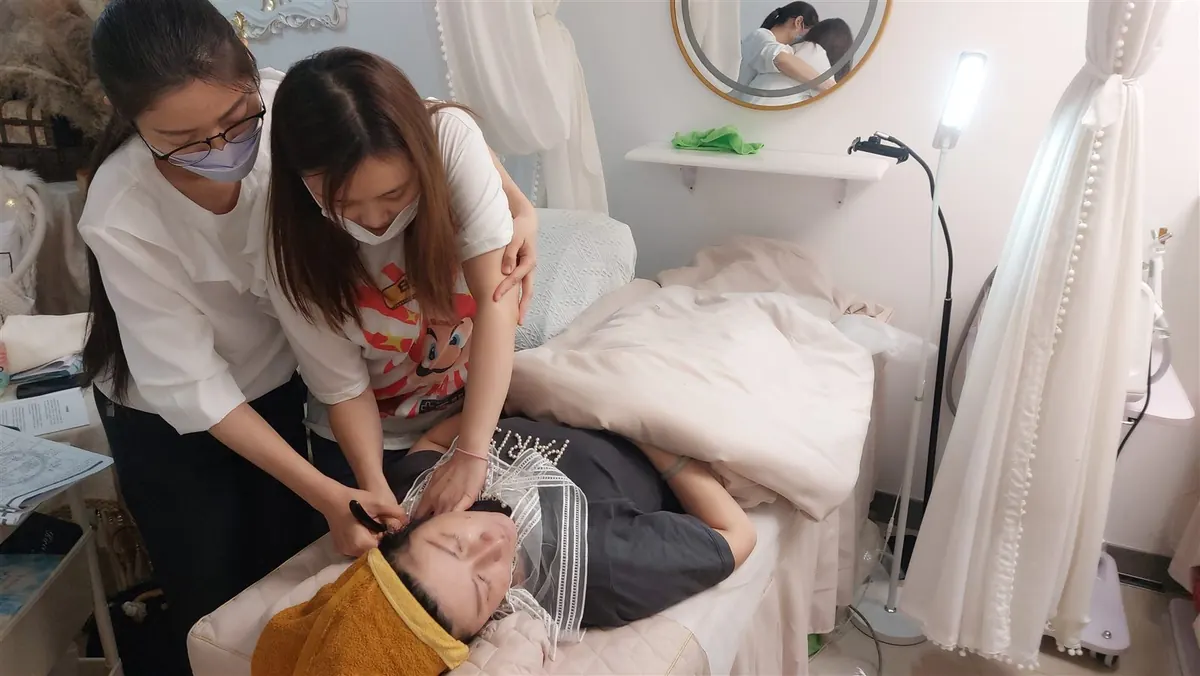
Of all the questions I get, this is the one that comes up first, and it's the one people get most wrong in both directions. Some women press so hard they leave their cheeks red, sure that more force means more result. Others barely graze the skin, afraid of doing harm. The honest answer sits between them, and once you feel it, you never forget it. Here's how hard to press, why both extremes miss, and a simple way to find your own comfortable pressure.
Why "harder must be better" feels true, and isn't
A lot of us were raised on the idea that face work has to hurt to count. In Taiwan, I grew up hearing that if you didn't wince, you weren't doing it right. It's a stubborn belief, and I understand why. Pressing hard feels like effort, and effort feels like it should pay off.
But your face isn't a knot of rope you can force apart. Press too hard and you don't get more, you get less. The tissue gets irritated instead of released, the area can look puffier rather than calmer, and on delicate skin you can even leave a bruise. None of that is the method working. It's the method being overpowered. Force is the thing that gets in the way of the result you wanted.
Why "gentler is always better" misses too
So the answer is to go feather-light, right? Not quite. This is the correction people never hear. A touch so soft it only skims the surface of the skin never reaches the tension you're actually trying to release, which sits a little deeper, in the muscle and fascia underneath. You can glide over your cheeks for ten minutes as lightly as a whisper and feel almost nothing change, because nothing was reached.
That's the part that surprises people. Too light isn't the safe, virtuous choice it sounds like. It's just a different way of doing nothing. The goal was never to be as gentle as possible. It was to be as precise as possible.
So what does the right pressure feel like?
Here's the whole answer in one line: firm enough to reach the tension, never enough to hurt. It's a pressure that feels reassuring, like a steady thumb pressing a spot that needed it, not a pressure that makes you brace or hold your breath. You should feel it clearly, and you should also feel completely comfortable. If both of those are true at once, you've found it.
And here's the piece most people miss entirely: pressure is only the foundation. On its own, even perfect pressure does little. What makes it work is pairing that comfortable pressure with the three things that are the real method, the order you work in, the angle you hold the tool, and the exact position you press. Precision is what reaches the tension. Force was never the point.
- Start with a slip and a soft touch Put a little oil or cream on your skin, then rest your fingertips or the tool against your face with almost no weight. This is your zero, your starting point.
- Add weight slowly until you feel it "catch" Gently increase the pressure until you feel the tissue underneath, a firm, present feeling, like you've made real contact rather than skating on top. That's the level you want.
- Check the comfort line Ask yourself two questions: can I feel it clearly, and am I still relaxed? If the answer to both is yes, stay there. If you're wincing or bracing, back off until you're not.
- Read each spot fresh The right pressure isn't one setting for the whole face. The area around the eyes wants the lightest touch you have; a tight jaw corner can take a little more. Let each spot tell you.
- When in doubt, lighten up If you're ever unsure, go lighter and slower. You lose nothing by being gentle and consistent, and you avoid every problem that comes from pushing too hard.
The answer was never heavier or lighter. It's the right, comfortable pressure at the right spot, firm enough to reach the tension, never enough to hurt, and it only works paired with the right order and angle. Precision, not force.
What can I expect?
When your pressure is right, your face should feel a little lighter and more relaxed afterward, and it should look calm, not red or marked. There's no soreness to earn here and no bruise to be proud of. If you see marks or feel tender the next day, that's your face telling you to go softer, not a sign you did it well. And keep your expectations gentle: what you feel is a light, temporary freshness that builds with a regular habit, not an overnight change, and there are no guarantees.
And the plain reminder: bojin is a gentle self-care habit, not medical care. The comfortable pressure that feels good is also the safe one. Anything that hurts, bruises, or feels wrong is a reason to stop and ease off, and anything painful, sudden, or one-sided on your face belongs with a doctor, not with a tool.
So how hard should you press? Just hard enough to feel the tension answer you back, and not one bit harder. It's less about strength and more about listening. Get the pressure comfortable, add the right order and angle, and a few quiet minutes will do far more than any amount of pushing ever could.
Quick answers
Should I feel sore the next day?
No. A little sense of release is lovely, but real soreness the next day means you pressed too hard. Bojin isn't a workout, and there's no soreness to earn. If you wake up tender, go noticeably lighter next time and keep the sessions short.
If it doesn't hurt, is it even doing anything?
Yes. The old belief that it has to hurt to work is wrong. What reaches the tension isn't force, it's the right angle and the right spot at a comfortable pressure. Pain isn't proof of progress; it's a signal to ease off. You can get a real, gentle result without any of it hurting.
Why does one side of my face take more pressure than the other?
Because your two sides rarely hold tension equally. Most of us chew, sleep, and clench more on one side, so it feels tighter and can take a touch more pressure, while the other side stays more sensitive. Read each side fresh every time rather than pressing both the same, and let comfort set the level.
How do I know if I'm pressing too hard?
Your body tells you. If you're wincing, holding your breath, dragging or stretching the skin, or leaving it red for more than a few minutes, that's too hard. The right pressure feels firm and reassuring, never sharp. When in doubt, lighten up: gentle and consistent beats hard and occasional every time.
Feel the right pressure for yourself
Pressure is hard to describe and easy to feel. My free 3-minute video shows you the first technique at exactly the pressure it's meant to be done, so you can match it with your own hand and stop second-guessing. Watch it once and the feeling will stay with you.
Watch the free 3-min videoYu-Ting Lan is a Taiwan-based international bojin instructor and the founder of Héhé Studio. She has taught her bojin method to more than a thousand students, from complete beginners to grandmothers, across Taiwan, Hong Kong, and Malaysia.