Start here
What is bojin, and why the stone in your drawer never worked
The plain, honest version, from someone who has taught it one face at a time for years.
Let me guess how it went. You bought a gua sha stone. Maybe jade, maybe rose quartz, the pretty one everyone was posting. You watched a couple of videos, ran it along your cheeks a few nights before bed, and then, somewhere between a long week and a tired evening, it slipped into a drawer.
Nothing bad happened. Nothing much happened either. The face in the mirror looked about the same.
I have heard this from women a thousand times, so let me say the part that matters: that wasn’t you failing, and it wasn’t the stone.
Gua sha is a tool. Bojin is a method. That is the whole difference, in one line.
A stone in a box can’t teach you anything. It can’t tell you where to start, which way to move, how firmly to press, or where to ease off. Most of us were handed the tool and never the method, so of course it felt like nothing. What was missing was never the object. It was the instructions no one gave you.
So what is bojin?
The word is 撥筋 (bō jīn). Bō means to gently pluck, comb, and coax; jīn is the sinew and soft tissue that quietly hold tension in your face. Together it means to gently comb the tension out of a face that has been holding it all day. It grew from the same family of Chinese hands-on face care as gua sha. They are sisters, not rivals, so if you already know gua sha, you are halfway home.
What actually makes it work
Not how hard or soft you press. It is three things, and once you have them, the same stone and the same five minutes feel like a different practice.
Order 順序
The sequence you work in. You read your own face first, then move in a set order, so your few minutes land where they help most.
Angle 角度
How you hold the tool against the bone. The right angle does the work. Force doesn’t.
Position 位置
The exact spot. Not vaguely “the cheek,” but the precise place where tension gathers and fluid settles.
Keep your stone. Add the three. Bojin isn’t a gadget to rush out and buy. It’s the order, the angle, and the spot that tell the tool what to do.
The one thing everyone gets wrong: pressure
In Taiwan, many of us grew up believing bojin has to be heavy to work, that if it doesn’t hurt, it isn’t doing anything. It isn’t true. And the opposite isn’t true either: a touch so light it only skims the surface never reaches the tension held underneath.
Press too hard and you don’t get more. The skin gets irritated, sometimes puffier, and on some faces it can even bruise. Barely touch, and you never reach what you came for.
The right pressure is firm enough to reach the tension, never enough to hurt, and it only works alongside the three: order, angle, position.
And you can start tonight with what you already have. Clean fingertips work. So does the gua sha stone in your drawer. You’re not buying your way in. You’re learning your way in.
Side by side
So how is it really different from gua sha?
They share roots, but as hands-on approaches they’re not the same. The honest short version:
Gua sha
Where it worksMostly on the surface, in long glides across the skin.
How it movesOne smooth direction, over a broad area.
What it leavesOften red or purple marks that take days to fade.
Bojin
Where it worksReaches the tension that sits deeper, in the muscle and fascia beneath.
How it movesA precise spot, worked with the right order, angle, and pressure.
What it leavesDone gently, no marks. A lighter, more released face, not a bruise to hide.
They’re different jobs, not a contest. Keep your gua sha for what it’s lovely at. Bojin adds the precise, tension-releasing part.
Straight talk
What bojin is not
I would rather you trust me than be dazzled, so here is the honest part.
- It isn’t a stronger gua sha. It’s a different job: the method behind the tool, not a contest with it.
- It isn’t medical care, and it isn’t a treatment for anything.
- It won’t remove wrinkles, erase bags, or do what an injection does. Anyone who promises that isn’t being straight with you.
- It isn’t pressing hard, and it isn’t barely touching. It’s the right, comfortable pressure: firm enough to feel, never enough to hurt.
What it can do is gentle and real: help your face look a little calmer, brighter, and more rested, and give you a few quiet minutes that are yours.
The complete can-and-cannot list, with nothing softened, is here: what bojin can and cannot do.
“The women who love this didn’t come to it for a miracle. They came for something honest they could do for themselves, a few minutes at a time.”
Your tool
The bojin stick
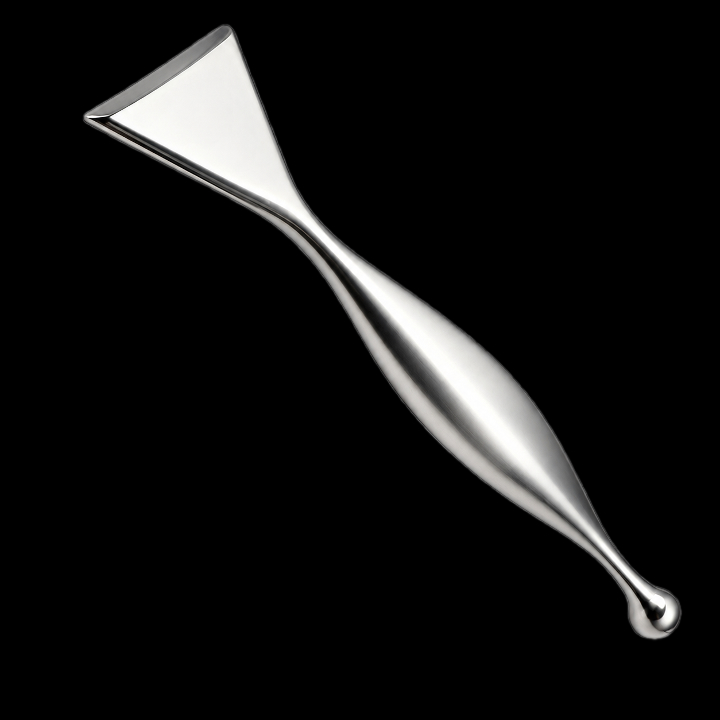
The traditional tool is a bojin stick: a slim, polished stainless steel tool, shaped to follow the curves of the face. It has two working ends. A broad, smooth edge for larger areas like the forehead, cheeks, and neck, and a small rounded tip for delicate spots such as around the eyes.
Why stainless steel? It’s easy to keep clean, it doesn’t wear down over time, and it uses no animal materials. It sits light in the hand and glides smoothly when you add a little oil or cream.
You don’t need to buy anything to begin. Clean fingertips work beautifully while you learn, and so does the smooth edge of a gua sha stone you already own. The bojin stick holds the right angle for you. Something to add when you’re ready, not a barrier to starting today.
See it
You can read about it, or watch a hand do it
Order, angle, and pressure make a lot more sense the moment you see them. Here’s the first technique, free, in about three minutes.
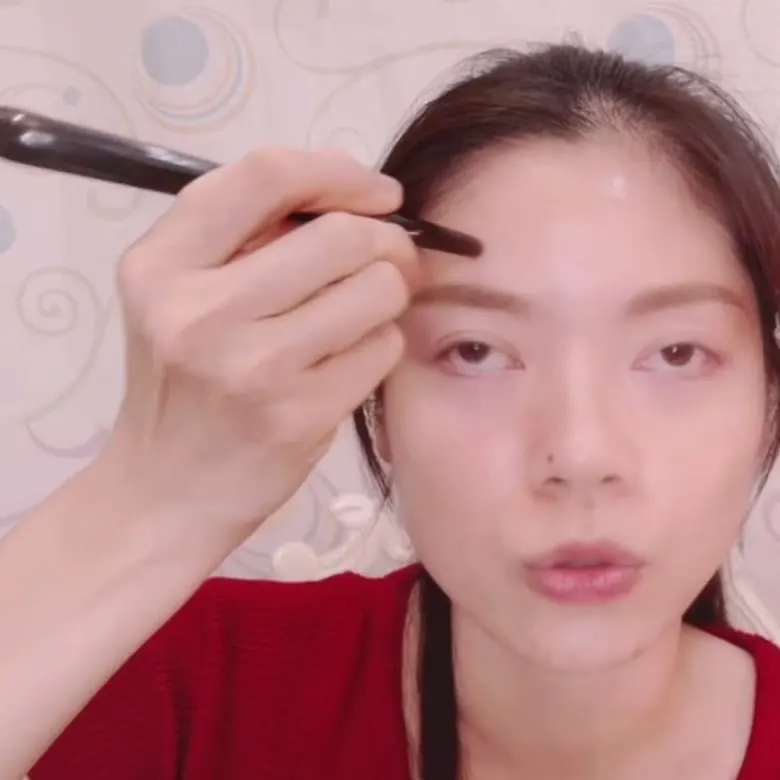 The 3-minute Eye ResetFree · watch the order, angle & the exact spot
Common questions
The questions women ask me most
Is bojin just gua sha with a different name?
No. They come from the same family of Chinese hands-on face care, so they feel related, but they’re not the same thing. Gua sha usually means the tool and broad, gliding strokes. Bojin is its own more deliberate method: the order you work in, the angle you hold the tool, and the exact spot, at a comfortable pressure. You keep your gua sha stone and add the method. I answer the “rebranded gua sha” suspicion head-on, at full length, in is bojin just gua sha with a fancier name?
Do I need to buy a special bojin stick to start?
No. You can begin with clean fingertips, or the smooth edge of a gua sha stone you already own. A bojin stick is the traditional tool the method was built around, and it holds the right angle for you, but it’s something to add later, not a barrier to starting today.
Is it safe, and does it hurt?
Done kindly it should feel good, never painful. The pressure is comfortable: firm enough to feel, never enough to hurt or drag the skin. Always use a little oil or cream so nothing pulls, avoid broken or irritated skin, stay off the eyeball itself, and stop if anything feels uncomfortable. This is gentle self-care, not medical treatment.
Is this only for older women?
Any adult can do it. It tends to feel most helpful after 40, when skin gets a little thinner and fluid and tension linger longer, but there’s no age it’s meant for. It’s a calm, everyday habit for your face.
How long until I see a difference?
It varies from person to person, and there are no guarantees. Some women notice their face looks a little calmer, brighter, or less puffy the same day; deeper, everyday change is gradual and comes from gentle, regular practice. Think everyday freshness, not a dramatic before-and-after.
Will bojin get rid of my wrinkles or replace Botox?
No, and it’s honest to say so. It won’t remove lines or do what an injection does. What it can do is soften held tension and help your face look a little more rested and relaxed, gently and temporarily. I keep the complete honest list in what bojin can and cannot do, and if you’ve had work done, here’s what to wait for. If you want a line changed at its source, that’s a conversation for a board-certified professional.
How often should I practice?
Two or three gentle sessions a week, and the rest days are part of the plan. More often is not more results; the care you bring to each session matters far more than how many you fit in. The full honest answer, including how to read your own skin, is in how often should you actually do this.
Is bojin a medical treatment?
No. It’s a gentle beauty and self-care ritual, not medical care, and it isn’t a treatment for any condition. If you have a skin or health concern, or anything on your face appears suddenly, sits on one side, or comes with pain, please see your doctor rather than working on it at the mirror.
Where to go from here
Pick the door that fits you right now.
However much or little you know, there’s a gentle first step from here. Brand new? Follow the guided beginner path from the top. Or pick the one door that fits you right now.
Ready to feel it?
See the method in three gentle minutes.
The free “Eye Reset” video shows you the order, the angle, and the exact spot, so you can feel the right, comfortable pressure for yourself.