The Bojin Journal · Rituals & routines
How Often Should You Actually Do This? (Less Than You'd Think)
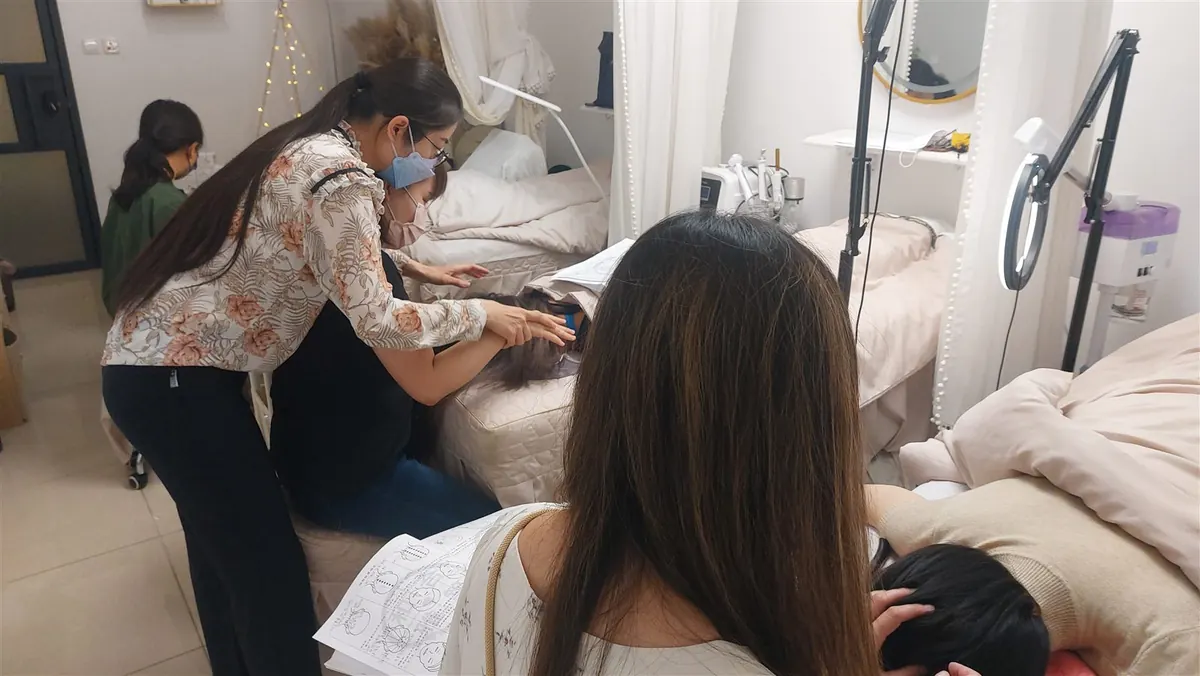
Here's the thought almost every woman has after her first good session with a bojin stick: if a little bit of this feels good, I should do it every single morning.
I understand the instinct completely. After 55, when something finally makes your face feel softer and more awake, you want to hold onto it. So you reach for the routine daily, sometimes twice, thinking you're being diligent.
I want to gently take that idea off your plate. More often is not more results. In fact, doing this every day can leave your skin quietly asking you for a break. The honest answer, the one I give all my students, is two to three times a week. And learning to hold back is the actual skill.
Why "every day" feels right (and why it isn't)
The logic seems airtight. Exercise works because you show up daily. Flossing works because you do it every night. So facial work should follow the same rule, right?
Facial skin plays by different rules. It's thin, it's on display, and after menopause it holds moisture and bounces back a little slower than it used to. When you work the same area day after day, you don't give that skin the quiet space it needs to feel settled again.
Let me say the myth out loud so we can put it down: daily bojin does not give you faster results. Frequency is not the lever. The care and precision you bring to each session is.
What a sensible week actually looks like
Picture your week with three gentle sessions spread across it. Monday, Thursday, Saturday. Or whatever three days breathe easily into your life.
Between those days, your skin simply gets to be skin. No stick, no pressure, no agenda. Those in-between days are doing something, and that something is rest.
I want to be clear about what rest means here, because there's a lot of confused talk about it online. Rest days are ordinary skin care. They are not your face "recovering" from anything it needed to expel. Nothing is being flushed out. Your skin is comfortable, it feels good, and you're letting it stay that way. That's the whole reason.
Why the rest days matter
Think about a warm bath. One is lovely. Three a week is a treat you look forward to. Six long baths in a week and your skin starts to feel raw and stripped.
Bojin has the same shape. The pleasant warmth and softness you feel after a session comes from working tension in the fascia, that thin, wrapping layer under the skin, with the right pressure at the right angle. Give it a day or two and you come back to the next session with skin that welcomes the work rather than bracing against it.
When you crowd the sessions too close, two small things tend to happen. Your skin can feel a touch sensitive, and you stop noticing the results because you never let them arrive. Space gives the pleasant part room to show up.
How to read your own skin and decide
You don't need a calendar app for this. Your face will tell you plainly if you listen.
Before a session, rest two fingers lightly on your cheek or jaw. Does the skin feel calm and ready, or does it feel a little tender or warm from last time? Calm means go. Tender means wait a day. It really is that simple.
This is also where honesty about pressure comes in, because frequency and pressure work together. The right pressure is enough to reach the tension underneath and never enough to hurt. Not featherlight, because that never reaches anything. Not forceful, because that's not the method and it can leave a mark. If you find yourself pressing harder to "make up" for skipping a day, that's the moment to stop and simply wait for your next session instead. For the full picture on this, I walk through it in how much pressure to use.
A gentle rhythm to follow this week
Here's a simple pattern you can start today. If you have a jade or rose quartz gua sha stone in a drawer, that's a perfectly good place to begin. The value here is the method, not the object in your hand.
- Pick your three days Space them out. Monday, Wednesday, Friday. Or Tuesday, Friday, Sunday. Anything that isn't back-to-back.
- Keep each session short Five to ten minutes is plenty. Work in one clear direction, following the same order each time so your hands learn the path: start at the center of the face and glide outward, jaw to ear, cheek to temple.
- Hold a comfortable angle Lay the broad edge of the stick almost flat against the skin, not digging in with the tip. Slow, unhurried passes. Warm oil or your usual serum so the stick glides.
- Check in before you begin Two fingers, is the skin calm? If yes, go. If not, give it a day.
- Then leave it alone Let the off days be off days. This is the part that takes discipline, and it's the part that separates a real practice from an anxious one.
Honest expectations
Let me be straight with you the way I'd want someone to be with me. This is gentle, and the results are gentle and temporary. You'll likely notice a softer, more awake look after a session, and that look fades and then returns as you keep a steady rhythm over weeks. It is not an overnight change, and it is not permanent. It's a small, pleasant habit that rewards consistency, not intensity.
Two to three times a week, done with care, will always serve your skin better than a rushed daily scramble. The restraint really is the skill.
Bojin is a method built on order, angle, position, and the right pressure. It comes out of a Taiwanese hands-on tradition, and it asks for patience more than effort. That's a good trade at any age.
Quick answers
How often should you do facial bojin?
Two to three times a week is the sweet spot for most women. That spacing gives your skin comfortable rest between sessions, and it's plenty to build a gentle, temporary softness over time. Daily is not better.
Can you do gua sha every day?
You can, but you usually don't need to, and daily work can leave facial skin feeling a little sensitive. Whether you're using a gua sha stone or a bojin stick, a few well-spaced sessions a week is kinder to your skin and easier to keep up.
Does doing it more often give faster results?
No. This is the most common myth, and it's a comforting one, but frequency isn't what moves the needle. Careful, well-placed sessions matter far more than how many you cram in. More often simply means less rest.
How do I know if I'm overdoing it?
Your skin will tell you. If it feels tender, warm, or sensitive before you've even started, that's your cue to wait a day. For a clearer sense of what's normal afterward versus a sign to stop, see what's normal after bojin versus a warning sign.
Find Your Tightest Link (2-Min Quiz)
If you'd like to know which three days a week are worth your ten minutes and where your own face holds tension, take the two-minute quiz and I'll send back a gentle routine matched to your answers.
Take the Face Tension Quiz & Get My Custom Protocol →Free · 2 minutes · Your gentle routine, sent to your email
Yu-Ting Lan is a Taiwan-based international bojin instructor and the founder of Héhé Studio. She has taught her bojin method to more than a thousand students, from complete beginners to grandmothers, across Taiwan, Hong Kong, and Malaysia.