The Bojin Journal · Myths & real talk
Is Bojin Just Gua Sha With a Fancier Name?
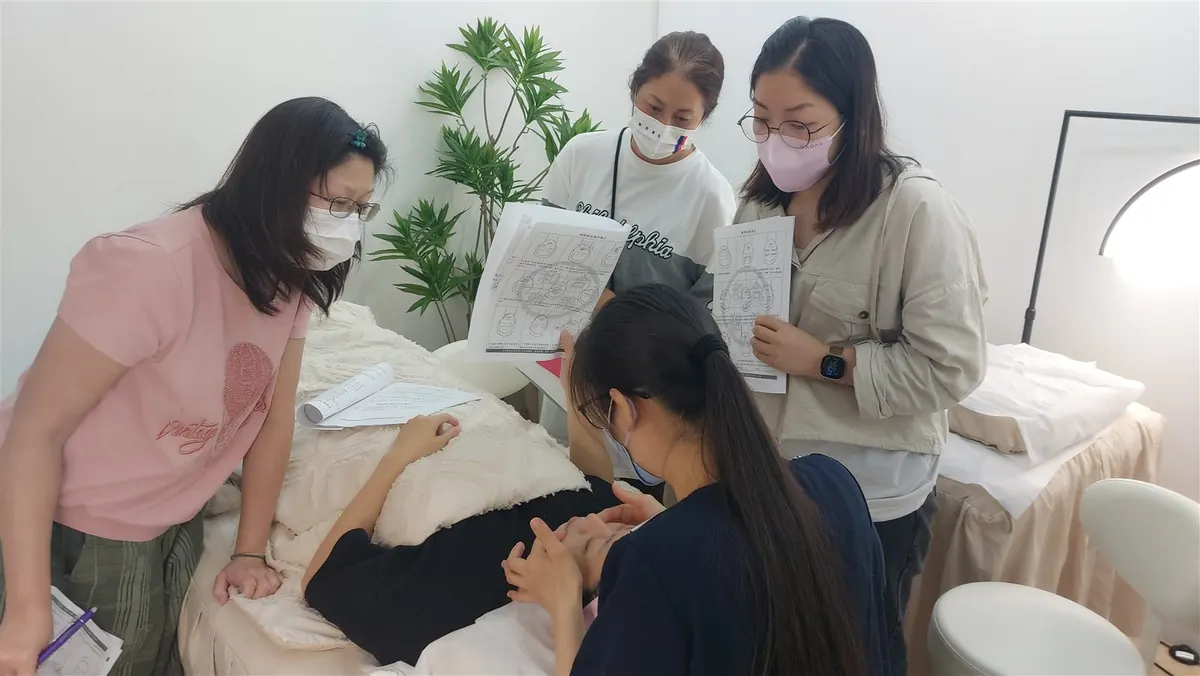
The first time you saw the word bojin, I suspect a sentence formed before you even finished reading it: "This is gua sha, rebranded to charge me more."
I teach bojin. I think that sentence deserves a straight answer instead of a sales pitch, because it is a smart sentence. You have watched the beauty industry rename old things for forty years. A cream becomes an elixir. A roller becomes a sculpting system. The price doubles, the promise triples, and your mirror stays the same. That same instinct is worth pointing at the spa menu, too: see do you really need expensive facials?
My opening position may surprise you, coming from a teacher of the thing: if bojin were only a new name for the same scraping stone, you would be right to walk away. I would walk away with you. Is bojin the same as gua sha? No. And the line between them is specific enough that you can test it tonight, with a stone you may already own.
Your Suspicion Is Earned
From the outside, bojin and gua sha look identical. A woman stands at her bathroom mirror, holds a small implement, and moves it across her cheek. Same quiet ten minutes. Same hopeful face.
The beauty industry earned your doubt, and it earned this confusion too. After decades of new names on old objects, an unfamiliar word now reads as a warning label. Women I teach often tell me they arrived braced for a gimmick, and the bracing took weeks to relax.
There is also a real family resemblance underneath the marketing. Both practices came out of East Asian home care, passed between mothers, aunts, and neighborhood teachers rather than written in textbooks. Bojin as I learned it grew up in Taiwan, in family kitchens and small studios, taught hand over hand. That is a cultural inheritance. It is not a medical system, and I will not dress it up as one.
The confusion is fair, then. It is also fixable. People searching for the bojin vs gua sha difference usually expect a feature table, but the difference is a category line: one word names an object, the other names a practice.
Gua Sha Is a Tool. Bojin Is a Method.
Gua sha, as most American women meet it, names a thing you hold. A stone, often jade or rose quartz, swept across oiled skin for a pleasant few minutes and a soft glow. Nothing wrong with any of that. I keep a stone in my own drawer.
Bojin names what you do. It is a method, and a method has parts you can write down and check:
Order. Which area you work first, second, third. In bojin you follow a sequence instead of wandering wherever the stone drifts.
Angle. How the working edge meets your face. Laid low, the edge presses along the muscle underneath. Tipped steep, it drags at the surface of the skin. Same tool, different event.
Position. Where the tension lives. The tight spot often sits a finger-width away from the line it creates, and the method sends you to the tension rather than the line.
Around those three sits the fourth element: pressure. I tell my students both extremes are wrong. Too heavy bruises you and proves nothing. Too light never reaches the tight band underneath, and nothing changes. The pressure I teach is comfortable by design: not featherlight, not forceful, enough to meet the tension and never enough to hurt.
Read that list again and notice what is missing: the tool's brand, mineral, and price. You can practice the bojin method tonight with the jade or rose quartz stone already in your bathroom drawer. In class I use a small stainless steel bojin stick, about the length of your hand, with a broad edge and a rounded tip. I like steel because it cleans in seconds and lasts for decades. The stick is a convenience. The method is the point.
One more thing belongs on the table before we go further. This is a comparison of jobs, not a contest of strength. Bojin is not a stronger gua sha or a deeper one, and I correct any student who describes it that way, because the whole method rests on precision rather than force. Different jobs, not a contest.
If you want the two set side by side in detail (edge shapes, grip, when each one makes sense), I wrote a full comparison here: Gua Sha vs. Bojin. And if bojin is brand new to you, What Is Bojin? tells the story from the beginning. This article has one job only: answering the rebrand suspicion.
One Stone, One Jaw, Two Results
Order, angle, and position can sound abstract, so let me make them concrete with the area I teach first: the jaw.
Try this before you scroll. Rest your fingers flat on your cheeks, near the hinge of your jaw. Press your back teeth together for one second, then let go. The firm knot that rises and falls under your fingers is your masseter, the chewing muscle. For many of us past fifty, it works overtime all day, through concentration, stress, and sleep, without ever being asked.
Now picture two women, each holding the same rose quartz stone.
The first sweeps the stone upward across her cheek, wherever feels nice, at whatever angle it happens to sit. It is pleasant, and I would never mock it. But she is polishing the surface above the knot without ever meeting the knot.
The second follows the bojin sequence. She starts at the masseter, because in this method the jaw hinge comes before the softer cheek above it. She lays the edge low, almost flat against her skin, so it presses along the length of the muscle instead of scraping across the top of it. She works in short, slow strokes from the middle of the muscle toward her ear, in the spot where she felt the knot rise rather than where her smile line shows. Her pressure sits in the middle: she can feel the tight band under the edge the whole time, and it never once hurts.
Same stone. Same ten minutes. Women I teach often describe the difference in near-identical words: the first way felt nice while it lasted, and the second way left the jaw feeling softer and the face looking a little less held for the rest of the evening. Temporary, yes. Different enough to notice, also yes. The tool never changed. The order, the angle, and the position did.
That gap is my whole answer to the rebrand question. A new name on the same aimless sweeping would deserve your suspicion. A method that changes what the same stone does in your own hands deserves ten minutes of your curiosity.
What I Will Promise, and What I Won't
I will promise you three things. The method is learnable at home. Trying it costs nothing if you own any smooth-edged stone. And done at a comfortable pressure, it feels good while you do it.
I will not promise transformation. The effects of bojin are gentle and temporary. The softer jaw fades. The less-held look fades. With steady practice, many women find each morning starts from a better place than the last, and that is the honest ceiling of any home method. If someone promises you more than that with a stone or a stick, whatever name is on the label, keep your wallet closed.
Quick answers
Is bojin the same as gua sha?
No. The difference is one of category rather than quality. Gua sha, as most people use the word, names a tool: the stone. Bojin names a method: the order, angle, and position you work in, at a comfortable pressure. You can practice the bojin method with a gua sha stone. Different jobs, not a contest.
Do I need to buy a new tool to try bojin?
No. The jade or rose quartz stone you already own is a fine place to start, and I encourage students to begin there. I teach with a stainless steel bojin stick because steel cleans in seconds and lasts for decades, but the method comes first and the tool second.
Is bojin stronger or more intense than gua sha?
I push back on that question every time I hear it. Bojin is not a stronger anything. Heavy pressure is as wrong in this method as pressure too light to feel; the skill lives in working the right spot, at the right angle, with pressure that never hurts.
Where does bojin come from?
Taiwan. It grew up as a hands-on craft, passed from teacher to student in family and studio settings, and that is how I learned it. I share it as a cultural inheritance and a self-care practice, not as a medical tradition.
Find Your Tightest Link (2-Min Quiz)
If you have moved from "this is a rebrand" to "show me the sequence," a two-minute quiz asks where you hold tension and sends back a gentle routine matched to your answers. No new tool required, and no miracle promised.
Take the Face Tension Quiz & Get My Custom Protocol →Free · 2 minutes · Your gentle routine, sent to your email
Yu-Ting Lan is a Taiwan-based international bojin instructor and the founder of Héhé Studio. She has taught her bojin method to more than a thousand students, from complete beginners to grandmothers, across Taiwan, Hong Kong, and Malaysia.