The Bojin Journal · The method
How You End a Session Matters More Than You Think
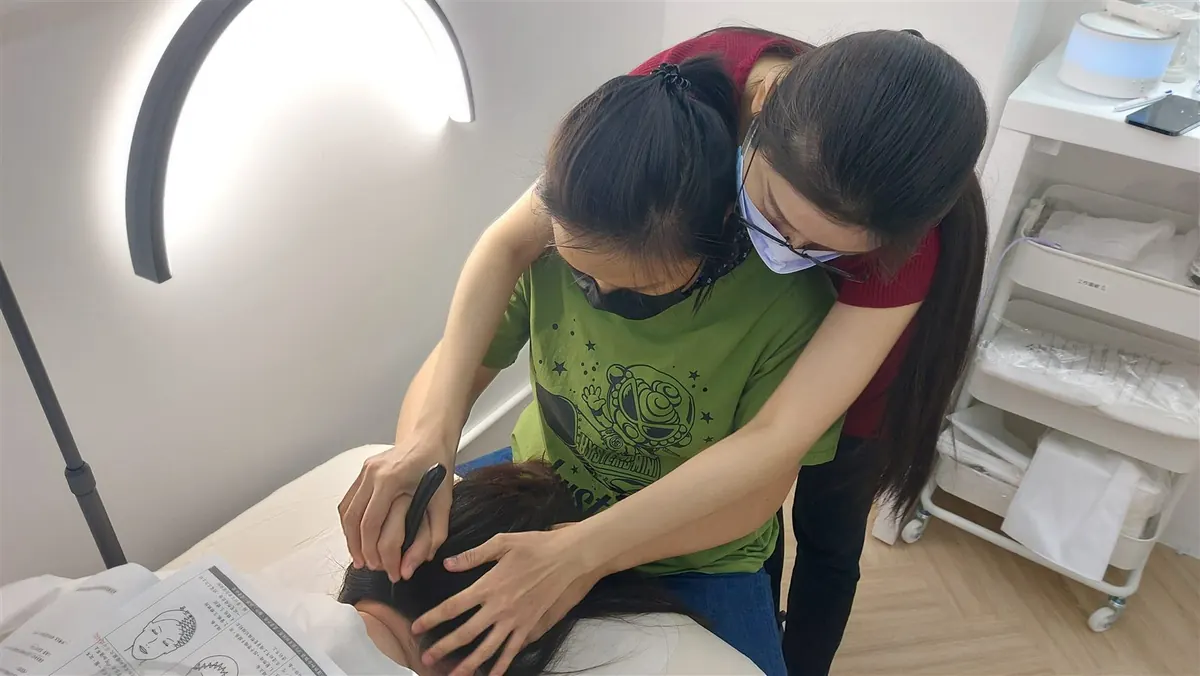
I used to have a student who did everything right and still felt like her sessions never quite settled her the way she wanted. Good pressure, good angle, good order. The problem showed up in the last three seconds: the moment her final pass ended, she'd snap the tool down on the counter and reach for her phone before her hand had even left her face. She'd done the work. She'd just never actually finished it.
Snapping the tool away the second you Remember: this is a gentle, supported self-care observation you can test on one side of your face—never a forceful press or medical treatment.
So here's the idea before the detail: how you end a session is its own part of the method, not an afterthought once the technique is done. A slow, deliberate close finishes the physical work properly, and it's also what turns bojin into a moment you protect rather than one more task you rush through and abandon.
What an abrupt ending actually costs you
Physically, not much is undone by stopping quickly. But a rushed finish skips the slow, settling quality of the final neck passes I've written about elsewhere, the ones that carry everything you loosened somewhere useful. Snap away too fast, and that closing sweep becomes just the last rep in a series rather than a distinct, unhurried motion. The difference is subtle in any single session and adds up over months of always ending the same rushed way.
The bigger cost is what it trains you to expect
This is the part that matters more. A session that ends abruptly, tool down, phone up, in under a second, teaches your body that bojin is just another quick task to get through, filed next to checking email. A session that closes slowly, even for ten extra seconds, teaches something different: that this was a moment worth having, not a box to check. That difference in how a habit feels is often what decides whether you keep it on a tired evening or quietly let it slide.
A closing ritual doesn't need to be elaborate to work. It needs to be consistent and slightly slower than everything that came before it, so your body gets a clear signal: this part is different, this is the ending. That signal is what makes a habit feel worth returning to, night after night, rather than one more thing rushed through.

What the close should actually look like
Nothing new to learn. Take the neck-finishing sweep you already do and simply slow it down for the last three passes, lighter and more deliberate than your working pace, closer to easing out of a stretch than finishing a rep. Then rest the tool down instead of setting it down sharply, and take one full breath before you reach for anything else. That's the entire ritual. Ten seconds, maybe fifteen.
Close a session properly instead of just stopping
Use a little oil or your usual moisturizer, and try this the next time you finish a session.

Finish your last working pass as usual
Complete whatever spot or area you were working with your normal technique.
Slow down for three final sweeps
With the broad edge, do three unhurried, lighter passes down the neck, slower than your working pace, the way you'd ease out of a stretch rather than snap out of it.
Lift the tool away slowly
Rest the tool down rather than pulling it away sharply, and take one breath before you reach for your phone or stand up.
Notice how different the whole session feels in retrospect once it has an actual ending, instead of just trailing off into whatever comes next.
An honest note
A closing ritual won't change what the technique itself does for your face; the angle, pressure, and order still carry the real work. What it changes is whether a session feels like something you finished, or something you simply stopped doing. Over weeks, that feeling is often the quiet difference between a habit that holds and one that fades.
Next time you finish, resist the urge to snap the tool away. Give the last ten seconds the same care you gave the first.
How to Finish an Eye and Face Bojin Session Gently (Captioned)
Captioned lesson excerpt showing the calm finishing sweep at the end of a Bojin routine. This short excerpt is an observation preview, not a complete routine.
Quick answers
Does it matter how I stop at the end of a session?
Yes. Lifting the tool away abruptly the moment you're done can leave skin and tension in an unsettled state, the way stopping mid-sentence leaves a thought hanging. A slower close, a few final unhurried passes, gives everything you worked on a clear signal that the session is over.
What should my last few passes actually look like?
Slower and lighter than your working passes, more like the calming strokes you opened with. This isn't new technique; it's your existing neck-finishing sweep done a touch slower and more deliberately, so it reads as a clear ending rather than just the last rep in a series.
Why would a rushed ending undo the work I just did?
It probably doesn't undo the physical work itself, but a session that ends abruptly, tool snapped away, straight to your phone, trains you to associate bojin with rushing rather than rest. Over time that makes the habit easier to skip on a busy day, since nothing about it feels like a moment worth protecting.
Is a closing ritual just about feeling nice, or does it do something?
Both. A slow close finishes the neck-drainage work properly, which matters physically. It also marks a clear boundary between the session and whatever comes next, which is what makes a habit feel worth returning to rather than one more rushed task.
See a full session, start to finish
The closing ritual makes the most sense watched as part of a whole session, not on its own. My free 3-minute video shows the entire arc, including exactly how it should end.
Watch the free 3-min videoYu-Ting Lan is a Taiwan-based international bojin instructor and the founder of Héhé Studio. She has taught her bojin method to more than a thousand students, from complete beginners to grandmothers, across Taiwan, Hong Kong, and Malaysia.