The Bojin Journal · Rituals & routines
Building a Bojin Habit: The Trick That Actually Works
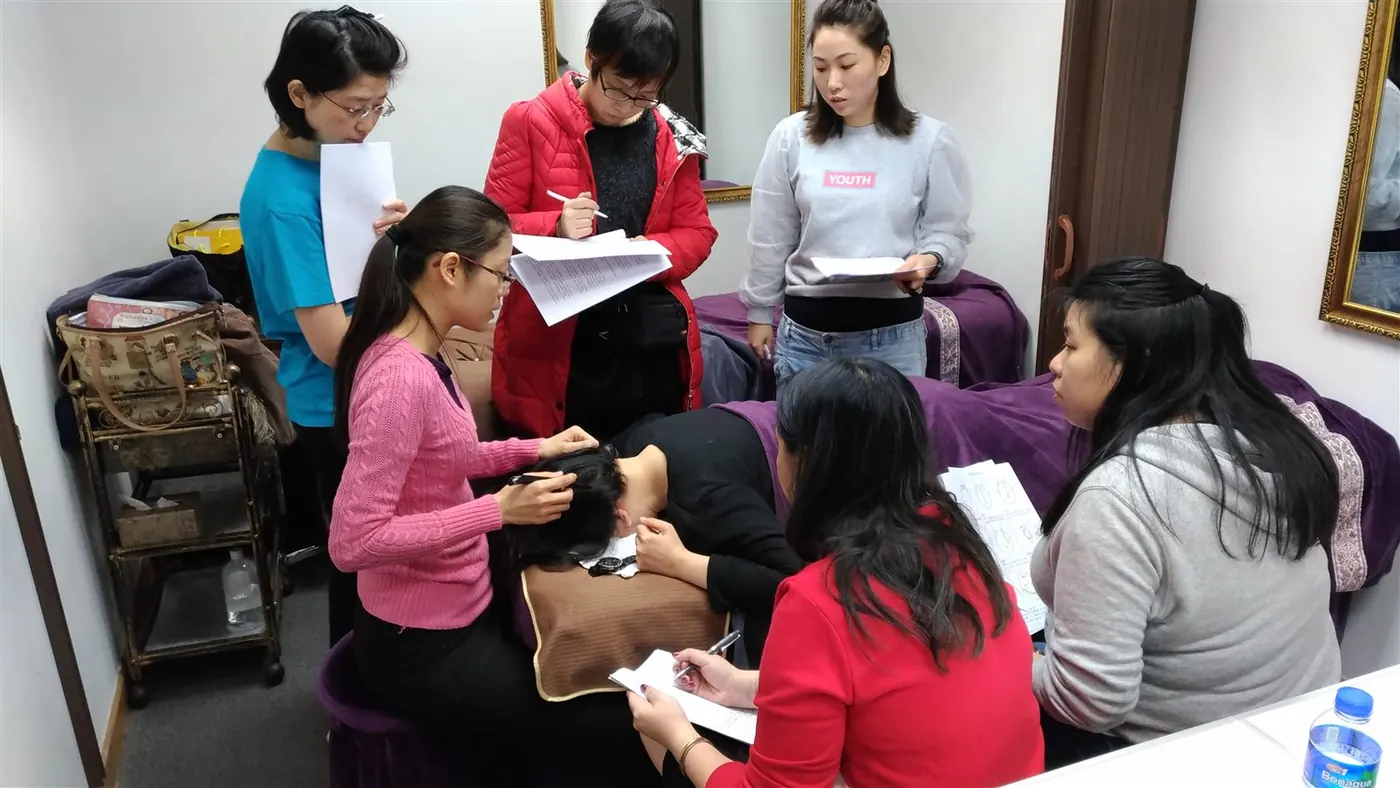
A student once told me she'd bought her bojin stick with real intention, tried it for four days in a row, felt wonderful, and then didn't touch it again for six weeks. She wasn't lazy and she hadn't lost interest. She'd simply been relying on remembering, and remembering is the least reliable tool anyone has on a tired Tuesday. The fix wasn't more motivation. It was never needing motivation in the first place.
So here's the idea before the detail: a habit that depends on remembering or willpower will eventually get skipped, because both run low exactly when you need them most. A habit attached to something you already do automatically doesn't have that problem, because the trigger does the remembering for you. This isn't a bojin-specific trick; it's how any small habit actually survives contact with a busy life.
Why "I'll remember" quietly fails
Nobody forgets on purpose. Life gets full, decisions pile up by evening, and a habit that lives only in your intentions competes with every other thing you also meant to do that day. On a good day you'll remember. On a tired one, bojin loses to the couch, and that's not a character flaw, it's just how a standalone habit behaves when it has nothing holding it in place.
What actually holds a habit in place
Attach it to something you already do without fail. Brushing your teeth, taking off your makeup, your last glance in the bathroom mirror before bed: these happen automatically, no motivation required, because they're already fully built habits. Do your bojin practice immediately after one of these, in the same spot, and you're not asking yourself to build a new habit from nothing. You're extending one you already have.
The trigger does the remembering so you don't have to. Once brushing your teeth reliably leads to picking up your stick, you stop needing to decide whether today is a bojin day. The decision already happened when you chose the trigger, and your only job each time is to follow through on a pattern that's already moving.
Choosing the right trigger
Two things make a trigger work well: it happens every single day without exception, and it happens near where your tool actually is. A trigger you sometimes skip, like a weekend gym visit, won't build a daily habit. A perfect trigger that happens in a room where your stick isn't sitting adds a small extra step, and small extra steps are exactly what a tired evening uses as an excuse. Keep the tool where the trigger already happens, and the whole thing becomes nearly automatic.
Attach bojin to a habit you already have
Use this to set up your own trigger this week.
- Pick a daily trigger you never skip Choose something you already do every day without fail, ideally near where you keep your tool, like brushing your teeth or removing your makeup.
- Keep your tool right there Store your bojin stick beside that trigger, not in a drawer elsewhere, so there's no extra step between finishing the habit and picking up the tool.
- Do just one minute at first For the first week, commit to only one minute right after the trigger. A tiny, easy version builds the pattern faster than an ambitious one you're likely to skip.
Once the pattern feels automatic, usually a few weeks in, stretching from one minute to five happens naturally. The hard part was never the five minutes. It was remembering to start.
Missing a day doesn't break it
A missed day is not a failed habit; it's a normal part of building one. What actually derails people isn't the missed day itself, it's deciding the missed day means the whole thing failed and quietly giving up. Return to your trigger the next time it happens, exactly as planned, and the pattern continues building from where it paused.
An honest note
A good trigger won't change what bojin itself can do for your face; the technique still needs the same attention to angle and pressure it always has. What it changes is whether you're still doing the technique in a month, which matters more than any single session's quality. The gentle, temporary effect only builds with consistency, and consistency is exactly what a well-chosen trigger protects.
Tonight, notice what you do without fail, right before bed. That's your trigger. Put your stick right next to it.
Quick answers
Why do I keep forgetting to do bojin, even though I want to?
Relying on remembering or motivation is unreliable for almost everyone, especially on busy or tired days, which is exactly when a helpful habit is most likely to get skipped. Attaching the practice to something you already do without thinking removes the need to remember at all.
What makes a good trigger habit to attach bojin to?
Something you already do daily without fail, in a place near where you'd actually practice. Brushing your teeth, taking off your makeup, or your last check of the bathroom mirror before bed all work well because they're consistent and already happen where your tools are.
How long does it take before the habit sticks on its own?
Most women report it starting to feel automatic somewhere around three to four weeks of consistent attachment to the same trigger. The exact timeline varies, but the trigger matters more than the number of days; a well-chosen one shortens the process considerably.
What if I miss a day? Does that ruin the habit?
No. A missed day doesn't undo the pattern you're building, and treating it as a failure often does more damage than the missed day itself. Simply return to the trigger the next time it happens, and the habit continues building from where it left off.
Make the habit easy from day one
The right trigger makes bojin feel automatic instead of one more thing to remember. My free 3-minute video gives you a simple routine short enough to attach to anything.
Watch the free 3-min videoYu-Ting Lan is a Taiwan-based international bojin instructor and the founder of Héhé Studio. She has taught her bojin method to more than a thousand students, from complete beginners to grandmothers, across Taiwan, Hong Kong, and Malaysia.