The Bojin Journal · The method
Are You Holding Your Breath? Breathing While You Work
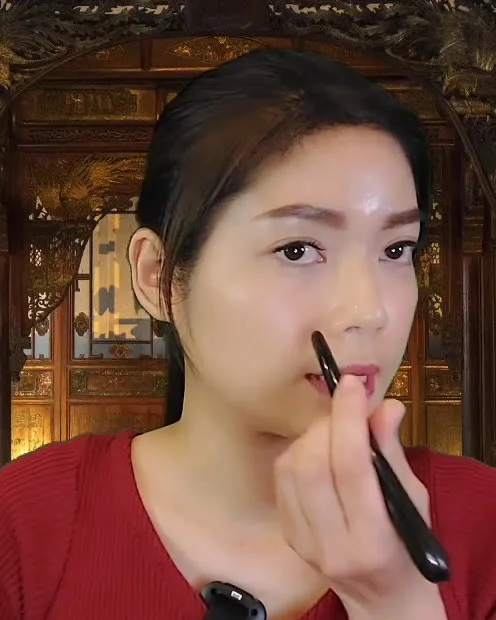
I used to stand behind new students and watch their shoulders instead of their hands. Almost without exception, the moment they settled the tool on a tender spot and started concentrating, their shoulders crept up and their breath quietly stopped. Not dramatically, not on purpose. Just a soft, unnoticed hold, the kind of thing that happens automatically when you're focused on getting something right.
So here's the idea before the detail: holding your breath while you work is one of the most common, least noticed habits in a bojin session, and it works directly against what you're trying to do. You're there to ease tension. A held breath tenses your jaw and face right along with your shoulders. Breathing through a stroke, especially a slow exhale, is a small adjustment that removes an obstacle you didn't know you were creating.
Why concentration makes you hold your breath
This isn't specific to bojin. Watch anyone thread a needle, parallel park, or try a new recipe step for the first time, and you'll often catch the same quiet breath-hold. Focus narrows your attention so completely that breathing, which usually runs in the background without any thought, gets swept up in that narrowing too. It's an automatic response to concentrating hard, not a flaw in how you're doing the technique.
Why it works against you here specifically
In most situations, holding your breath for a few seconds doesn't matter much. In a bojin session, it does, because the whole point of the technique is easing tension, and held breath is itself a form of tension. A jaw clenched around a held breath resists a release far more than a jaw paired with slow, easy breathing. You can be doing everything else, the angle, the pressure, exactly right, and still fight yourself at the finish line because your own breath is holding the very area you're trying to soften.
An exhale is one of the fastest signals your body has for "it's safe to soften." That's not a mystical claim; it's the same reason a long exhale is the first thing taught in almost any relaxation practice. Pairing a slow breath out with a working stroke doesn't replace the technique. It just stops your own held breath from quietly canceling out the work your hands are doing.
What to actually do: nothing elaborate
This isn't a breathing exercise layered on top of bojin. It's one habit: as you settle into a working pass, especially on a spot that's genuinely tender, breathe out slowly through the stroke instead of holding. That's the whole instruction. You don't need to count seconds or follow a pattern. You just need to notice when you've stopped breathing and start again.
Pair one breath with one stroke
Use a little oil or your usual moisturizer, and try this on a spot you know tends to hold tension.
- Settle on a tender spot Bring the tool to a spot you know tends to hold tension, at your usual comfortable pressure.
- Exhale slowly through the pass As you work the spot, breathe out slowly through your mouth or nose for the length of the stroke, instead of holding your breath as you concentrate.
- Notice the difference Compare how the spot feels on an exhaled pass versus a held-breath one. Most women feel the tissue soften more readily when the breath is moving.
Once you've felt that comparison once, the habit tends to stick on its own. Your body remembers which version worked better.
An easy way to remember it
Trying to consciously breathe through an entire session is hard to sustain and easy to forget. A simpler approach: tie one exhale to one motion you already repeat every time, like the final sweep down the neck that closes nearly every routine. Exhale through that one pass, every session, and you'll find the habit quietly spreads to the rest of the routine without you having to police it the whole way through.
An honest note
Breathing well won't do the technique's job for it; the angle, the pressure, and the order still matter exactly as much as they always did. What it removes is a small, self-imposed obstacle that many women don't even know they're creating. The effect stays gentle and temporary, and this simply lets each session do what it was already capable of doing.
Next session, check your shoulders the way I used to check my students'. If they've crept up, your breath probably has too. Let both back down.
Quick answers
Why do I hold my breath while doing bojin?
Concentrating hard on a new physical skill, like getting the angle and pressure right, naturally makes many people hold their breath without noticing. It's a common response to focus, not something specific to bojin, but it works against you here because held breath tenses the jaw and face you're trying to release.
Should I breathe in a specific pattern while working?
Nothing elaborate. A slow exhale through a working pass, especially on a tender spot, is the one pattern worth building. Beyond that, the goal is simply steady, normal breathing rather than the shallow holding that concentration tends to cause.
Does breath actually change how a spot responds?
An exhale is one of the fastest ways your body has to signal it's safe to soften, and a jaw that's clenched around held breath resists a release far more than one paired with a slow, easy exhale. Breathing well doesn't replace the technique, but it stops working against it.
How do I remember to breathe when I'm focused on technique?
Tie your breath to a landmark you already have, like exhaling on every pass down the neck, the step nearly every routine ends with. Anchoring it to a motion you already repeat is far more reliable than trying to remember it as a separate rule.
Feel the difference for yourself
An exhaled stroke and a held-breath one feel different within seconds. My free 3-minute video walks through a session with breathing built in, so you can feel the contrast on your own face.
Watch the free 3-min videoYu-Ting Lan is a Taiwan-based international bojin instructor and the founder of Héhé Studio. She has taught her bojin method to more than a thousand students, from complete beginners to grandmothers, across Taiwan, Hong Kong, and Malaysia.